Best Wireless Headphones: How to Choose
The gap between $80 and $350 headphones is real, but it is not evenly spread across the spec sheet. Here is where the money actually goes and where it is wasted.
Written by the DealNook team · Updated October 2026
Over-ear versus earbuds, decided by use
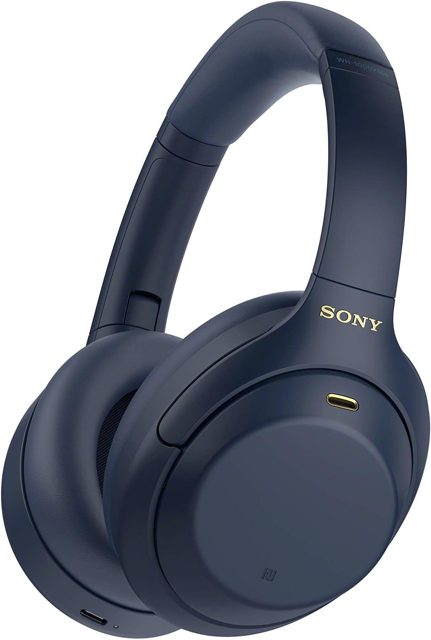
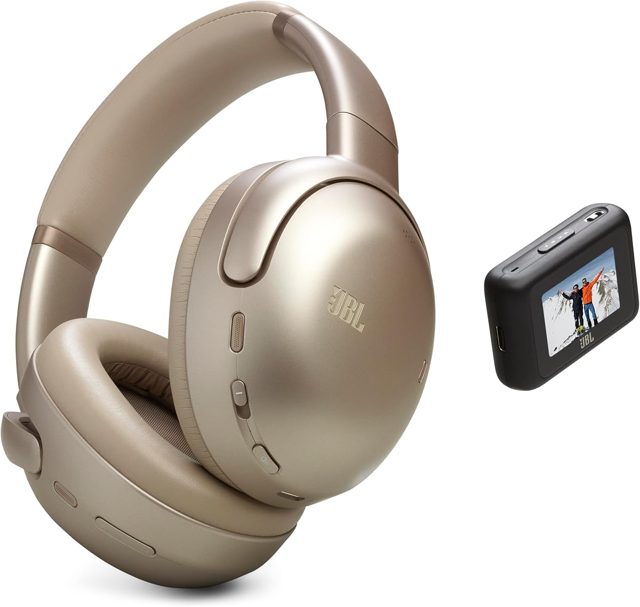
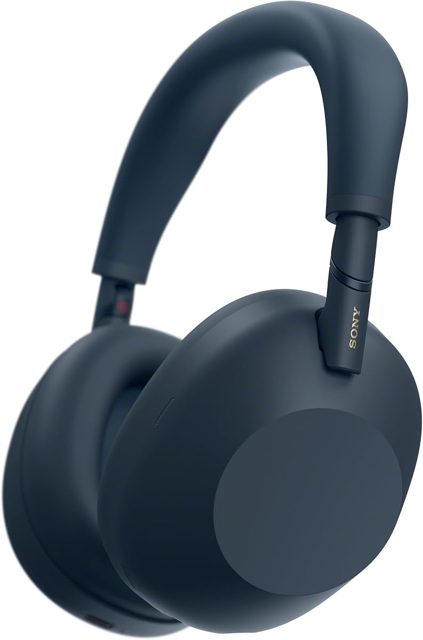
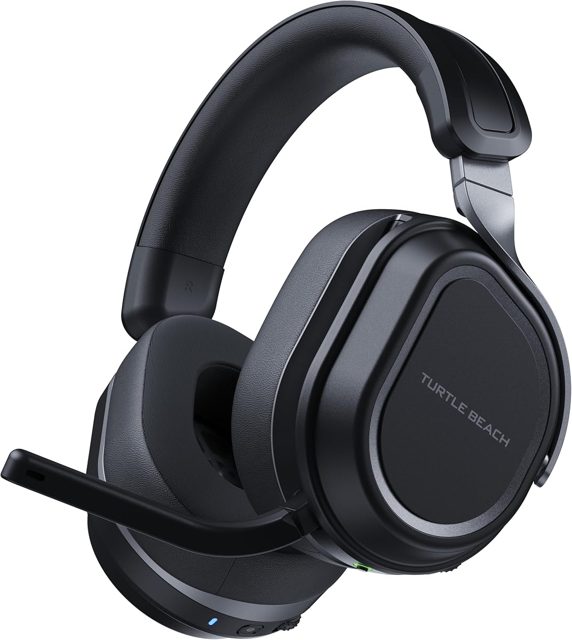
Over-ear headphones win on battery, comfort over long sessions, and the strongest noise cancelling, because the earcup physically blocks sound before the electronics do anything. Earbuds win on portability and workouts. If you mostly listen at a desk or on flights, over-ear is the better buy at every price. If you need something pocketable for the gym and commute, earbuds. Buying over-ear for the gym is the most common mismatch — they get hot and bulky.
Noise cancelling is not one feature
Active noise cancelling (ANC) works best on constant low rumble: planes, trains, HVAC. It does little against sudden voices or clatter. Top-tier ANC from the leaders cuts that rumble dramatically; budget ANC takes the edge off and adds a faint hiss. If your main use is a quiet home, you are paying for ANC you will rarely switch on. If you fly or commute, it is the feature worth the premium.
Battery and the charging reality
Over-ear sets run 30 to 60 hours per charge, so battery is rarely the deciding factor. Earbuds are the opposite: the buds themselves last 5 to 8 hours and the case tops them up for a total of 24 to 40. The number that matters for earbuds is per-bud runtime, not the combined figure the box advertises. A quick-charge feature that gives hours from a ten-minute top-up matters more than headline capacity.
Codecs: mostly marketing, sometimes not
Bluetooth codecs (SBC, AAC, aptX, LDAC) affect wireless audio quality, but the difference is subtle and only audible on high-resolution files through good drivers. For streaming Spotify or podcasts, your phone's default codec is fine. Do not let a codec checkbox decide the purchase. Fit, driver quality, and ANC change what you hear far more than the codec does.
Call quality is the hidden weakness
Headphones that sound great on music can be poor on calls, because call quality depends on microphone placement and wind handling, which reviews often skip. If you take a lot of calls, look specifically for a review that tests the mic outdoors. This is the spec most buyers discover is bad only after they own the thing.
| Need | over-ear | earbuds |
|---|---|---|
| Flights / commute | Best choice, strong ANC | Good, less isolation |
| Workouts | Too bulky and hot | Best choice |
| Long desk sessions | Most comfortable | Ear fatigue over hours |
| Battery per charge | 30–60 hrs | 5–8 hrs per bud |
| Pocket portability | Poor | Excellent |
What a fair price looks like
Solid basics
Good sound, basic or no ANC. The value zone for casual listening.
Strong mid-tier
Effective ANC, better comfort and mics. Where most people should land.
Flagship
Best-in-class ANC and sound. Worth it for frequent flyers; overkill otherwise.
Common questions
Is noise cancelling worth it?
If you fly, commute on transit, or work in a noisy space, yes — it transforms those environments. In a quiet home it mostly sits unused, so you are paying for a feature you will rarely need.
Do expensive headphones sound much better?
Up to around $200 you hear clear improvements. Beyond that the gains are small and mostly about ANC, build, and comfort rather than raw sound. The steepest value curve is in the $120 to $200 range.
Are wired headphones still better?
For pure sound per dollar, yes, wired wins. But most people value the convenience of wireless more than the small quality gap, and good wireless is now very good.
How long do the batteries last before they degrade?
Expect noticeable battery decline after 2 to 3 years of daily use, especially on earbuds whose tiny cells wear fastest. Over-ear sets with user-replaceable or longer-life batteries age better.