Best 4K TVs Under $500: What to Look For
Under $500 you can get a genuinely good 65-inch 4K TV, or an oversized, washed-out disappointment. The price tag hides the specs that decide which one you take home.
Written by the DealNook team · Updated October 2026
Panel type decides almost everything
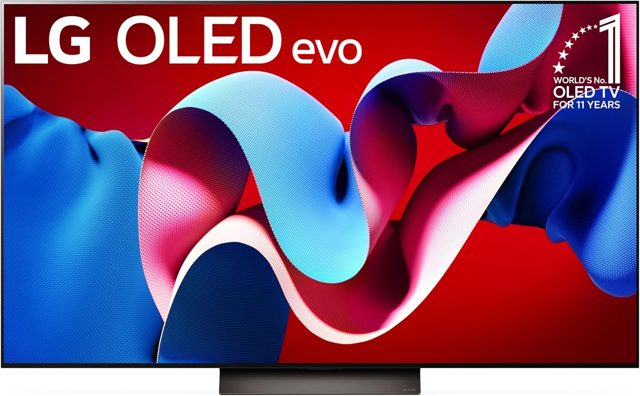
Nearly every TV under $500 uses an LCD panel lit by LEDs, but the backlight design matters more than the brand on the bezel. A basic edge-lit set spreads a few LEDs around the rim and looks flat and grey in a dark scene. A set with full-array local dimming (FALD) places LEDs behind the screen in zones it can dim independently, so black bars stay black and bright objects pop. At this price FALD is the single feature most worth chasing. OLED is better still, but a real OLED does not exist under $500 new, and any listing claiming one at that price is mislabeled.
Refresh rate: ignore the marketing number
Stores advertise "Motion Rate 240" or "Clear Motion 120" — these are invented figures, not the panel's true refresh rate. The number that matters is the native refresh: 60Hz or 120Hz. For movies and most shows, 60Hz is fine. If you game on a PS5 or Xbox Series X and want smooth 120fps, you need a true 120Hz panel with HDMI 2.1, which is rare under $500 but does appear on sale. Do not pay extra for a motion figure that is not the native rate.
HDR that does nothing
Almost every TV lists HDR support. Most cannot actually produce it. HDR needs brightness — roughly 600 nits or more to show real highlights — and a budget set often peaks near 250 to 300 nits. It will accept an HDR signal and display a dimmer, flatter version of it. Treat "HDR10" and "Dolby Vision" badges as table stakes, not quality signals. If a review measures peak brightness under 350 nits, the HDR is cosmetic.
Smart platform and how it ages
The built-in software is what you touch every day. Roku and Google TV are the smoothest and get updates longest. Fire TV is fine and pushes Amazon content hard. Lower-tier "Vidaa" or generic platforms feel sluggish within a year as apps bloat. A cheap TV with a good platform beats a slightly nicer panel running software that stutters. You can bypass a bad platform with a $40 streaming stick, so weight the panel more if everything else ties.
Size versus distance
Bigger is the upgrade people regret least, but there is a floor on viewing distance. For 4K, you can sit about 1 to 1.5 times the screen's diagonal away before pixels are visible — closer than old 1080p rules allowed. A 65-inch set works from about 6 feet. The common mistake is buying 55 inches to be safe and wishing it were bigger. If the budget and wall allow 65, take it.
| Spec | worth paying for | skip |
|---|---|---|
| Backlight | Full-array local dimming | Edge-lit at this size |
| Refresh | Native 120Hz if you game | "Motion Rate 240" labels |
| Brightness | 600+ nits for real HDR | HDR badge with <350 nits |
| Platform | Roku / Google TV | Sluggish generic OS |
| Ports | HDMI 2.1 for 120fps consoles | Extra "smart" gimmicks |
What a fair price looks like
Entry 55–65"
Edge-lit, 60Hz, dim HDR. Fine for a bright room and casual watching.
The sweet spot
65" with local dimming or a strong 55". Real contrast, good platform.
Best value ceiling
65" FALD, sometimes 120Hz/HDMI 2.1 on sale. The one to wait for.
Common questions
Is a 65-inch TV too big for a small living room?
Probably not. With 4K you can sit about 6 feet from a 65-inch screen without seeing pixels. Measure your seating distance; if it is 6 feet or more, 65 inches is comfortable and most people prefer the larger size.
Do I need 120Hz?
Only if you game on a current console or PC and want 120fps. For movies, sports, and streaming, 60Hz looks identical. Sports fans sometimes prefer 120Hz for fast motion, but it is not essential.
Are cheap TV brands reliable?
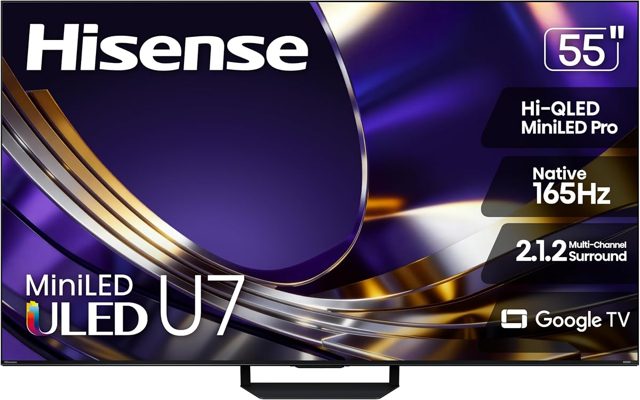
Budget brands like Hisense and TCL have closed much of the gap and often include better backlights than name brands at the same price. Check a recent review for measured brightness and panel uniformity rather than the logo.
Should I buy an extended warranty?
Usually no. TV failure rates are low and tend to show up early, within the standard warranty. Put the warranty money toward a better panel instead.