Best Smartwatches: How to Choose One
A smartwatch is only as good as the phone it pairs with and the handful of features you check daily. Everything else is a spec you will toggle off within a week.
Written by the DealNook team · Updated October 2026
Phone compatibility comes first
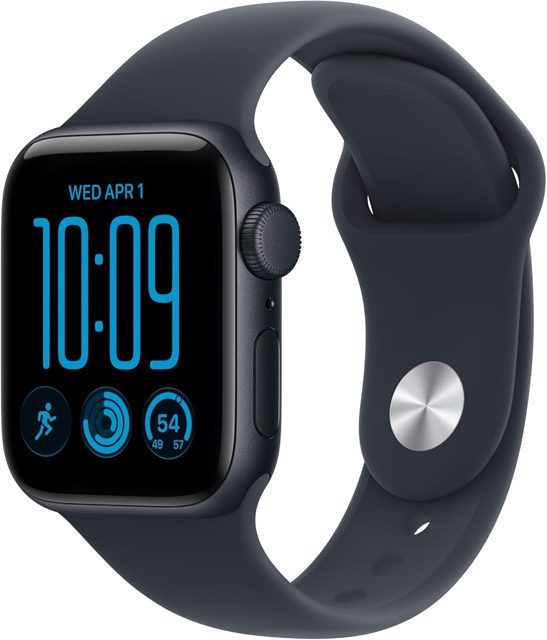
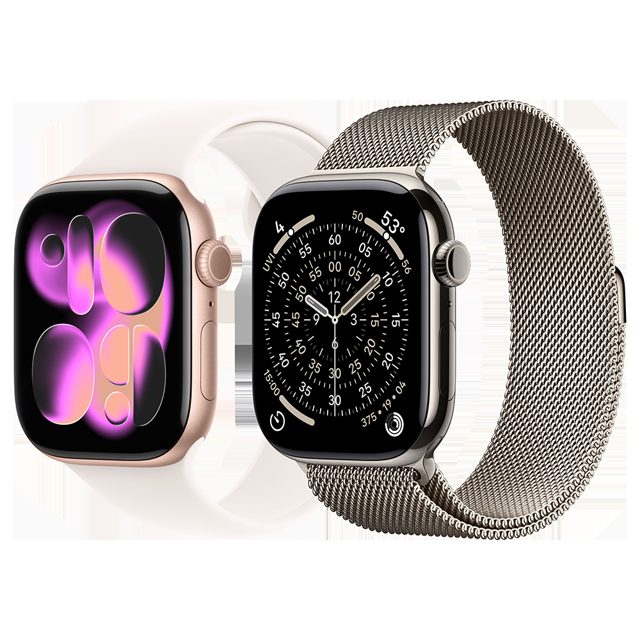
This decision is half made by the phone in your pocket. An Apple Watch only works with an iPhone — no Android support, full stop. Most other smartwatches pair with both, but lose features on iPhone. Before comparing anything else, confirm the watch fully supports your phone. Buying the wrong ecosystem is the single most expensive smartwatch mistake, because a mismatched watch loses notifications, replies, and app control.
Battery is the real dividing line
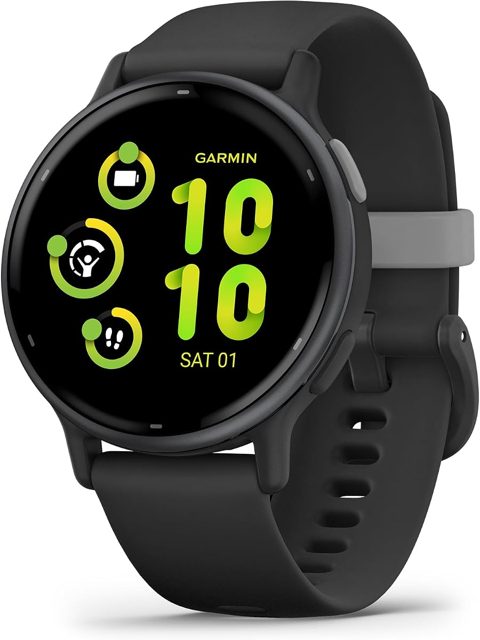
Smartwatches split into two camps. Full-featured watches with bright always-on screens last about 18 to 36 hours and need nightly charging. Fitness-focused watches with simpler displays run 5 to 14 days and track sleep without a charging gap. If you want sleep tracking and hate daily charging, the long-battery camp is the better fit even though it does fewer app tricks. Decide which annoyance you can live with before you shop.
Health sensors: which ones are real
Heart rate and step counting are accurate and useful on nearly every model. SpO2 (blood oxygen), skin temperature, and ECG vary in accuracy and are wellness indicators, not medical devices. Sleep tracking is directionally useful but not clinical. Buy for the metrics you will act on. Most people use heart rate, activity, and sleep, and ignore the rest after the novelty fades.
GPS matters only if you train outdoors
Built-in GPS lets the watch map runs, rides, and hikes without your phone. If you run or cycle outside, it is worth having. If you mostly work out at a gym or want notifications and daily activity, you can save money skipping standalone GPS. Do not pay the premium for a feature tied to a hobby you do not have.
Fit, size, and the band economy
A watch that is too large sits awkwardly and reads poorly on a thin wrist; one too small is hard to tap. Check the case size in millimeters against your wrist before buying. Band ecosystems also matter: popular platforms have cheap third-party bands for a few dollars, while niche watches lock you into pricey first-party straps. The band you will swap for style or workouts is a real ongoing cost.
| If you want | choose | note |
|---|---|---|
| iPhone + apps | Apple Watch | iPhone only, daily charge |
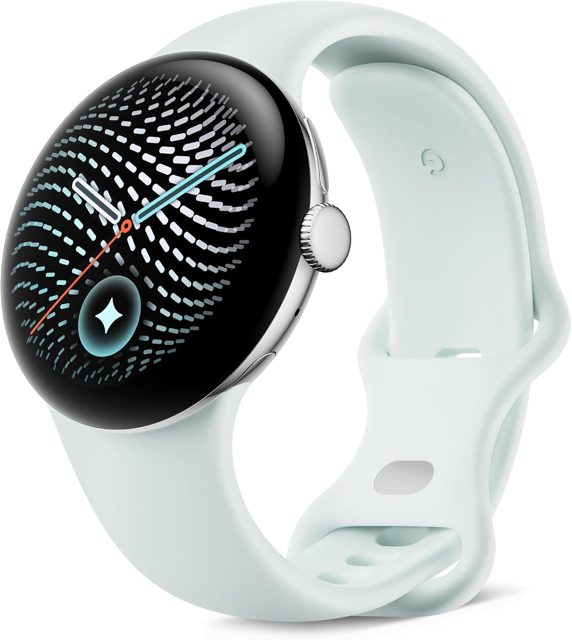
| Android + apps | Wear OS watch | Charge daily, broad apps |
| Long battery + sleep | Fitness watch | 5–14 days, fewer apps |
| Serious training | GPS sports watch | Best metrics, bulkier |
| Simple + cheap | Budget tracker | HR, steps, notifications |
What a fair price looks like
Basic tracker
Steps, heart rate, notifications, long battery. Covers the essentials.
Mainstream smartwatch
Apps, GPS, good sensors. Where most buyers are happiest.
Premium / sports
Best screens, sensors, or multi-day training battery. For specific needs.
Common questions
Will an Apple Watch work with my Android phone?
No. The Apple Watch requires an iPhone and does not pair with Android at all. Android users should look at Wear OS watches, Samsung Galaxy Watch, or fitness brands like Garmin and Fitbit.
How accurate is sleep tracking?
Good enough to show trends — when you slept and roughly how restful it was — but not clinically precise about sleep stages. Use it to spot patterns, not as a medical measurement.
Do I need built-in GPS?
Only if you exercise outdoors and want to map routes without carrying your phone. For gym workouts and daily activity, connected GPS through your phone is enough.
Why does battery life vary so much?
Bright always-on displays and many active sensors drain power fast, giving app-focused watches about a day. Simpler displays and fewer always-on sensors let fitness watches run one to two weeks.