Best Pressure Cookers and Multi-Cookers
Multi-cookers advertise a dozen functions. Most owners use three. Knowing which three keeps you from paying for buttons you will never press.
Written by the DealNook team · Updated October 2026
Size by household, with room to grow
The 6-quart size suits most households of two to four and is the one with the widest accessory and recipe support. A 3-quart is right for one or two people or small kitchens, but it limits batch cooking and meal prep. An 8-quart handles big families and large cuts of meat but takes longer to come to pressure and eats counter space. When unsure, 6-quart is the safe default — recipes assume it.
Pressure level is the spec that matters
The whole point is high pressure, which cooks beans, tough cuts, and stews in a fraction of the usual time. Check that the model reaches a true high pressure (around 10 to 12 psi); some budget "pressure" cookers top out lower and lose the speed advantage that justifies the category. Adjustable pressure is a nice extra for delicate foods, but a genuine high setting is the non-negotiable.
The functions you will actually use
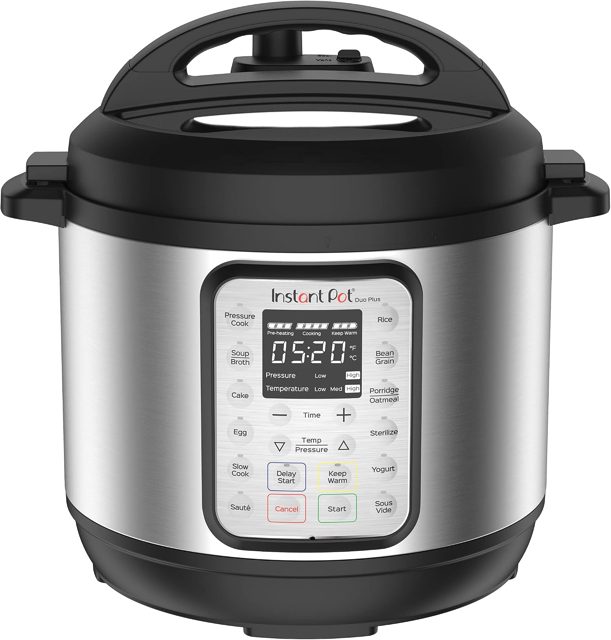
Pressure cook, sauté, and keep-warm are the workhorses. Sauté matters more than people expect, because browning in the same pot before pressure cooking is what makes stews taste like they simmered all day. Slow-cook, rice, yogurt, and steam modes get used occasionally or never. Do not pay a premium for a model with twenty programs when the three core functions are identical to the cheaper one.
Air-fryer combo units: read the fine print
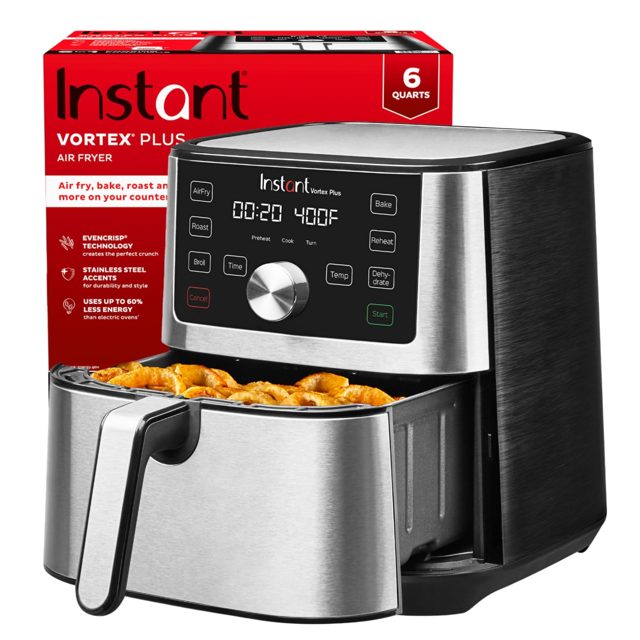
Pressure-cooker-plus-air-fryer combos use two separate lids and promise one appliance that does both. They work, but the air-fry side is usually smaller and less powerful than a dedicated air fryer, and storing the second lid is a hassle. If counter space is tight and you want both jobs occasionally, a combo is reasonable. If you air fry often, a separate air fryer performs better.
Sealing rings, safety, and the smell
The silicone sealing ring absorbs odors and is the part that wears out, so buy a model with cheap, easy replacement rings and keep a spare. Modern electric pressure cookers have multiple safety locks and are far safer than the stovetop pots of old — the scary stories are decades out of date. The main learning curve is timing, since the clock starts only after the pot reaches pressure.
| Household | size | note |
|---|---|---|
| 1–2 people | 3-quart | Fast, small; limits batches |
| 2–4 people | 6-quart | Default; best recipe support |
| 5+ / batch cook | 8-quart | Slower to pressurize, bulky |
| Want air fry too | Combo lid | Convenient, not best-in-class |
What a fair price looks like
Core model
6-quart, high pressure, sauté. Everything most people need.
Step-up
Larger, more programs, better display. Worth it for frequent use.
Combo / premium
Air-fry lid or advanced controls. Only if you will use the extras.
Common questions
What size pressure cooker should I buy?
6-quart for most households — it has the best recipe and accessory support. Go 3-quart for one or two people and tight counters, 8-quart for large families or big-batch meal prep.
Are electric pressure cookers safe?
Yes. Modern units have several independent safety locks and are far safer than old stovetop models. Follow the manual for venting and do not force the lid, and they are very safe.
Do I need all those functions?
No. Pressure cook, sauté, and keep-warm cover almost all real use. Rice, yogurt, and steam modes are occasional at best. Buy for the core three, not the button count.
Is a pressure cooker and air fryer combo worth it?
Only if counter space is tight and you air fry occasionally. The air-fry side is smaller and weaker than a dedicated air fryer, and juggling two lids is a minor hassle.