Best Cordless Vacuums: How to Choose
Cordless vacuums trade endurance for convenience. Whether that trade works for you comes down to two numbers the box presents in the most flattering possible way.
Written by the DealNook team · Updated October 2026
Runtime: read the asterisk
The headline runtime — say 60 minutes — is measured on the lowest power setting with a non-powered tool. Switch to the powered floor head you will actually use, and that drops to 30 to 40 minutes. Turn on max/boost mode for carpet or a mess, and some units last only 8 to 12 minutes. Judge a cordless by its mid-power runtime with the main floor head, which is the honest number and rarely the one advertised.
Removable battery changes the math
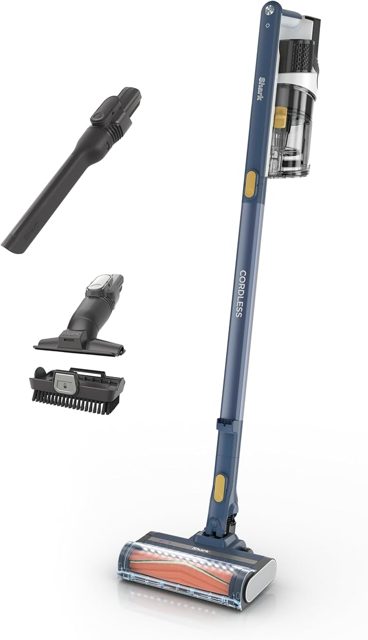
A vacuum with a swappable battery lets you buy a second pack and effectively double runtime, and replace a worn battery in a few years instead of the whole machine. Sealed-battery models are cheaper up front but become e-waste when the battery dies, usually in two to four years. For a cordless meant to be your main vacuum, a removable battery is the feature that decides long-term value.
Suction and the brush head
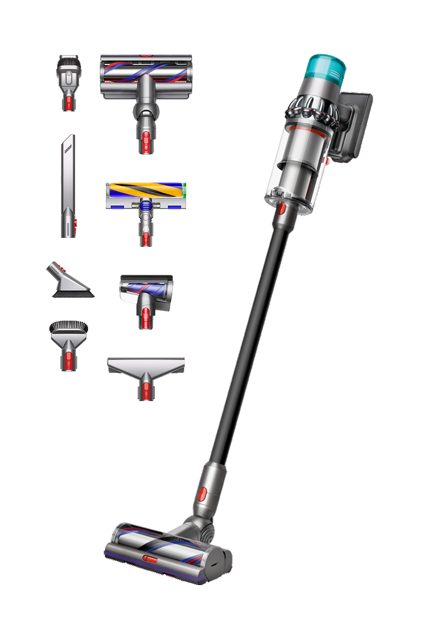
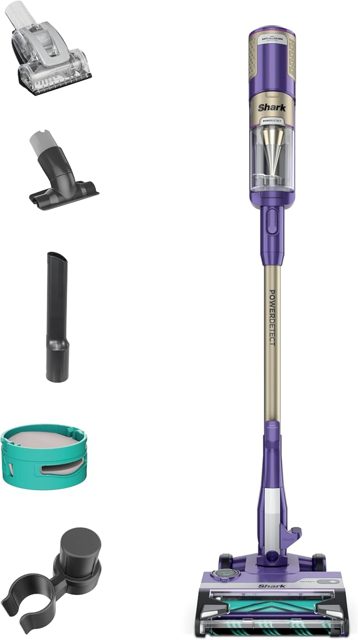
As with robot vacuums, raw suction (measured in air watts or pascals) is only half the story — the floor head does the rest. A good anti-tangle brush roller matters most in homes with pets or long hair. Some include a second soft roller for hard floors. Carpet, especially thick carpet, is where cordless units are weakest, so if your home is mostly carpet, test or read reviews on that specifically before relying on cordless as your only vacuum.
Filtration and the dustbin
A sealed HEPA filtration path keeps fine dust from blowing back into the room, which matters for allergies. The dustbin on a stick vacuum is small, so you will empty it often — a one-click, point-and-drop bin is far less messy than one you have to reach into. These small ergonomics decide whether the vacuum is a pleasure or a chore, and they rarely make the headline specs.
Main vacuum or second vacuum
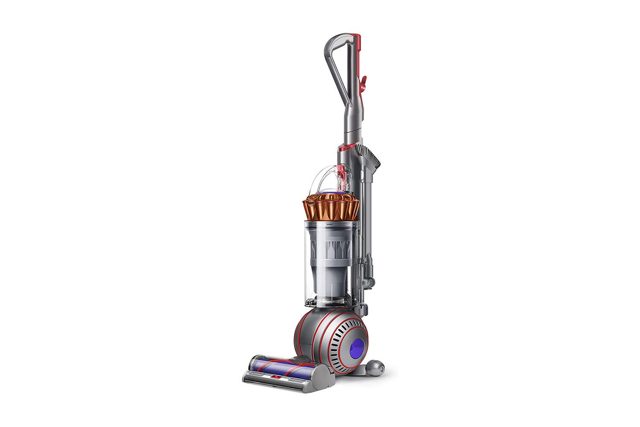
For small apartments and hard floors, a good cordless can be the only vacuum you need. For larger homes, lots of carpet, or deep-clean needs, a cordless shines as the grab-and-go second vacuum for quick messes and stairs, backed by a corded upright or canister for the weekly deep clean. Deciding which role it plays sets your budget: a do-everything main cordless costs more than a convenient supplement.
| Priority | what to check | watch out for |
|---|---|---|
| Real runtime | Mid-power, main head time | 60-min claim on eco mode |
| Longevity | Removable battery | Sealed battery (2–4 yr life) |
| Pet hair | Anti-tangle roller | Basic bristle brush |
| Allergies | Sealed HEPA path | Leaky filtration |
| Emptying | One-click dustbin | Reach-in bin |
What a fair price looks like
Light-duty
Hard floors and quick cleanups. A fine second vacuum.
Main cordless
Strong suction, swappable battery, good head. Can be the only one.
Premium
Best suction, longest runtime, laser/dust sensing. For large homes.
Common questions
Can a cordless vacuum be my only vacuum?
For small homes and mostly hard floors, yes. For larger spaces or lots of thick carpet, a cordless works best as a quick-grab second vacuum alongside a corded upright for deep cleaning.
How long do cordless vacuum batteries really last per charge?
Plan on 30 to 40 minutes with the powered floor head on a normal setting, and as little as 8 to 12 minutes on max mode. The advertised 45 to 60 minutes assumes the lowest setting with a non-powered tool.
Why does a removable battery matter?
You can carry a spare for longer cleaning and replace a worn battery in a few years instead of scrapping the whole vacuum. Sealed-battery models become e-waste once the battery degrades.
Are cordless vacuums good for pet hair?
The ones with an anti-tangle brush roller are. A standard bristle brush wraps with hair and loses effectiveness, so for shedding pets the roller design is the spec to check first.